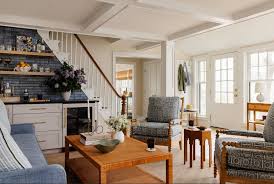
A home does not need a complete makeover to feel fresh, comfortable, and useful. In many cases, a few thoughtful upgrades can improve the way a space looks while also making everyday routines easier. The trick is to focus on changes that solve real problems instead of spending money simply because something looks fashionable.
Whether the goal is better organisation, improved comfort, or a more attractive interior, home upgrades work best when they match the lifestyle of the people living there.
Start With the Areas That Need Attention
Before beginning any project, walk through the home and notice which areas create the most frustration. Maybe the entryway is always cluttered, the kitchen lacks storage, the bedroom needs better lighting, or the living room feels cramped.
These observations can help determine where to begin. There is little point in spending a large amount of money decorating a room when a basic functional problem still needs to be solved.
Making a simple list of priorities can also keep the project under control. Once the most important improvements are completed, decorative changes can be considered.
Upgrade Storage Without Losing Space
Storage is one of the easiest ways to make a home feel more organised. However, adding large cabinets everywhere can sometimes make rooms feel even smaller.
Wall-mounted shelves, baskets, drawer organisers, under-bed storage, and furniture with built-in compartments can provide useful storage without taking up excessive floor space.
Vertical areas are especially valuable in smaller rooms. A tall shelving unit can provide plenty of storage while using relatively little floor area.
It is also worth sorting existing belongings before purchasing additional storage. There is not much benefit in creating a larger place to store things that are never used.
For homeowners looking for practical ideas and inspiration for improving everyday living spaces, UpgradeHomeZ can be explored for additional home-focused ideas.
Improve the Lighting
Lighting has a major influence on how a room feels. A space can have beautiful furniture and still feel uncomfortable if the lighting is too harsh, too dark, or poorly positioned.
Natural light should be used whenever possible. Keeping windows clean and choosing curtains that allow sufficient daylight can make rooms feel brighter.
Artificial lighting can be layered according to different needs. A main light can illuminate the entire room, while lamps can provide focused lighting for reading, working, or relaxing.
Changing light fixtures is often a relatively simple upgrade that can give a room a noticeably different atmosphere.
Give the Kitchen Small Improvements
The kitchen is one of the busiest parts of most homes, so practical upgrades can have a significant effect.
Adding drawer organisers, improving cabinet storage, replacing worn handles, or creating a dedicated area for frequently used appliances can make cooking and cleaning easier.
Countertop space should also be considered. Keeping rarely used appliances stored away can provide more room for food preparation.
Small repairs matter here too. Damaged cabinet doors, loose handles, leaking taps, or worn seals should be addressed before they become bigger inconveniences.
Make the Entryway More Useful
The entrance of a home is often the first place to become cluttered. Shoes, bags, keys, umbrellas, and other everyday items tend to collect there.
A small bench, shoe rack, wall hooks, or narrow storage cabinet can make this area much more organised.
A mirror can also be useful because it provides a practical function while making a smaller entryway feel more open.
The best entryway design is one that makes leaving and returning home easier rather than creating another space that requires constant tidying.
Refresh Walls and Surfaces
Walls occupy a large amount of visual space, so changing them can refresh a room without replacing all the furniture.
A new paint colour is one option, but homeowners can also use framed artwork, photographs, mirrors, shelves, or simple decorative pieces.
Not every wall needs decoration. Leaving some areas relatively simple can actually make selected pieces stand out more.
The same principle applies to other surfaces. Replacing worn cabinet handles, updating small fixtures, or repairing damaged finishes can give older furniture a refreshed appearance.
Make Outdoor Spaces More Comfortable
Balconies, patios, terraces, and gardens can become useful extensions of the home when they are planned properly.
A comfortable chair, small table, suitable lighting, and a few plants can transform an unused outdoor area into a place for relaxing.
Outdoor spaces should be designed according to local weather conditions. Durable furniture and easy-to-maintain materials can reduce the amount of regular work required.
Even a small balcony can become enjoyable when every item has a clear purpose.
Use Simple Home Hacks
Not every home improvement requires professional equipment or a large budget. Small practical solutions can make everyday tasks easier.
For example, labelled storage containers can make cupboards easier to manage, hooks can create additional hanging space, and small organisers can prevent drawers from becoming messy.
Repurposing existing furniture is another option. An old shelf may become useful storage in another room, while a simple table can sometimes serve a completely different purpose after being moved.
These small ideas may not look dramatic, but their value becomes obvious when they save time every day.
Homeowners who enjoy discovering clever household solutions can also explore HomeHackZ for additional ideas related to practical home living.
Do Not Forget Maintenance
A beautiful home still needs regular maintenance. Small problems are easier to deal with when they are noticed early.
Check areas such as plumbing fixtures, doors, windows, drainage, electrical fittings, and other frequently used components from time to time. A loose fitting or minor leak may seem unimportant, but ignoring it can sometimes lead to a larger repair.
Cleaning is also part of maintenance. Dust and dirt can affect the appearance and condition of furniture, appliances, flooring, and fixtures.
Choose Upgrades Based on Lifestyle
The best home upgrade is not necessarily the most expensive one. It is the one that fits the household.
A family with young children may prioritise storage and durable surfaces. Someone working from home may need better lighting and a comfortable workspace. A person who enjoys cooking may benefit more from kitchen organisation than from decorative furniture.
Understanding these needs makes it easier to spend money wisely.
Avoid Changing Everything at Once
Home projects can quickly become expensive when too many changes are attempted simultaneously.
A better approach is to work room by room or problem by problem. Complete one improvement, see how it affects daily life, and then decide what should come next.
This approach also makes it easier to notice what is genuinely useful. Sometimes a small upgrade solves a problem so effectively that a larger planned project becomes unnecessary.
Create a Home That Works Every Day
A good home should be attractive, but it should also support everyday routines. Comfortable furniture, useful storage, practical lighting, clean surfaces, and regular maintenance all contribute to a better living environment.
The most successful home upgrades are often surprisingly simple. They do not necessarily involve expensive renovations or dramatic changes. Instead, they focus on making the existing space work better.
With a little planning and creativity, homeowners can gradually create a home that feels more organised, comfortable, and personal without constantly chasing the newest trend.